Simple Beauty of Chinese Cabbage Black Line Illustration
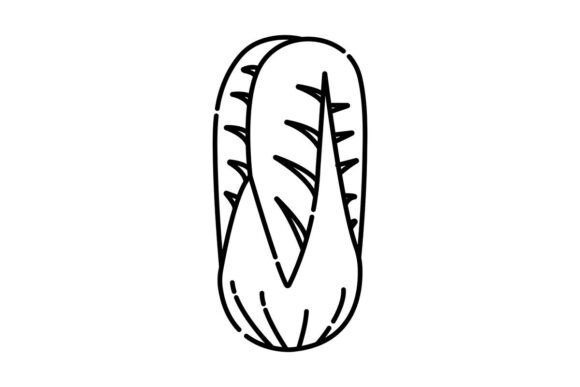
If you have ever searched for clean, minimal food graphics for a project, you have likely noticed how hard it is to find illustrations that feel both fresh and versatile. A Chinese Cabbage Black Line Illustration offers exactly that kind of visual clarity. It strips away unnecessary detail and focuses on the elegant form of this leafy vegetable using thin, precise strokes. The result is an icon that works seamlessly across many contexts, from a simple recipe card to a polished farm market label.
What Makes This Illustration Style Stand Out
The defining feature of a Chinese cabbage black and white vector line illustration is its minimal and thin outline approach. Instead of relying on shading, color gradients, or complex textures, it uses clean lines to define the shape, veins, and layered leaves of the cabbage. This approach creates a lightweight visual that feels modern, airy, and easy to read at any size.
Because the illustration is in black and white, it avoids clashing with other colors in your design. It sits quietly beside bold typography, vibrant backgrounds, or other graphic elements without competing for attention. Yet it still communicates clearly that this is a healthy, fresh vegetable associated with cooking, gardening, and wholesome eating.
The value here is flexibility. A single vector file can be scaled up for a poster or reduced for a tiny icon on a mobile screen without losing quality. And because the style is minimal, it works equally well in digital and print formats.
Who Benefits from This Kind of Graphic
You might wonder whether a simple line drawing of a vegetable is relevant to your work or hobby. The truth is that this illustration appeals to a surprisingly wide audience. Beginners who are building their first recipe blog will find it easy to drop into a post about stir-fries or kimchi. Small business owners selling homemade sauces or organic produce can use it on labels without needing a custom illustration budget. Educators teaching nutrition or agriculture can include it in handouts or slides to make information more engaging.
Even professional designers appreciate having a clean vegetable icon on hand for client projects involving food packaging, infographics, or kitchen decor. The minimal style saves time because it integrates quickly into existing layouts. And for freelancers who juggle multiple types of projects, a reliable black line illustration removes the need to search for a new vegetable graphic every time.
Practical Uses in Everyday Projects
Where exactly does this illustration shine? Let me walk through some realistic scenarios that show its range.
Vegan Recipe Content
If you create vegan recipes, you know that visuals matter. A Chinese Cabbage Black Line Illustration placed next to a recipe title instantly signals that the dish is plant-based and vegetable-forward. You can use it as a small icon beside ingredient lists or as a header graphic for a collection of cabbage recipes. Because the line style is thin and minimal, it keeps the focus on your food photography while adding a subtle thematic touch.
Food Packaging and Labels
For small-batch food products like fermented vegetables, salad dressings, or vegan dumplings, packaging needs to look clean and trustworthy. A black and white vector line illustration on a label feels artisanal and honest. It suggests that the product is simple, natural, and made with care. You can print it on kraft paper labels or use it as part of a larger illustrated scene on your packaging.
Nutrition Infographics
When explaining the health benefits of Chinese cabbage, a line illustration helps break up text and guide the reader's eye. You might place it beside a bullet list of nutrients or use it to represent a serving size in a visual diagram. The minimal style prevents the infographic from feeling cluttered, which is especially important when you are communicating scientific or dietary information.
Farm Market and Gardening Graphics
Farmers market vendors and community garden programs often need signage that feels approachable and handmade. A line illustration of Chinese cabbage works beautifully on chalkboard-style menus, reusable shopping bags, or small tags tied to produce baskets. For gardening blogs or seed packet designs, the illustration can represent the plant in a way that is both accurate and decorative.
Kitchen Decor and Digital Projects
Home cooks and kitchen decor enthusiasts are increasingly using printable art to personalize their spaces. A black line cabbage illustration printed on quality paper and framed in a simple black frame adds a modern, botanical touch to a kitchen wall. Similarly, digital cooking projects such as meal planning apps or e-book covers benefit from a clean vegetable icon that does not distract from the main content.
What to Consider Before Using This Illustration
While the appeal is clear, there are a few practical things to think about before you commit to using a Chinese Cabbage Black Line Illustration in your project.
Style consistency matters. If your overall brand or project uses highly detailed, colorful, or photographic imagery, a single minimal line illustration may feel out of place. It helps to use it alongside other illustrations in the same style, so the visual language stays cohesive. A collection of vegetable line drawings, for example, creates a stronger impression than one isolated icon.
Resolution and format. Even though vector files scale infinitely, the way you export them affects the final result. For print, make sure you export at a high enough resolution and choose a format like SVG or EPS if you plan to edit the lines later. For digital use, PNGs with transparent backgrounds are usually the safest choice so the illustration sits cleanly on any background color.
Licensing and source. Not all line illustrations are free to use commercially. If you are designing for a business, an app, or a product you intend to sell, check the license terms carefully. Many stock graphics sites offer royalty-free options, but the terms vary. It is always better to confirm than to risk using an asset that requires attribution or restricts commercial use.
Audience perception. A thin, minimal outline style feels contemporary and clean, but it may not suit every brand voice. If your target audience expects a rustic, hand-drawn look or a playful, cartoonish style, the sleek lines of a black vector illustration might feel too polished. Think about the overall mood you want to create before deciding.
Why This Style Works for Diet and Agriculture Themes
When your project revolves around diet, nutrition, or agriculture, visual cues matter more than you might expect. People associate certain graphic styles with healthfulness and natural living. A black and white line drawing of a vegetable feels honest and unprocessed. It does not rely on artificial colors or glossy effects. This aligns well with the values of clean eating, farm-to-table movements, and sustainable gardening.
For agriculture-themed designs, the illustration can represent a specific crop in a way that is recognizable without being overly realistic. This makes it suitable for educational materials aimed at children or adults who are learning about vegetable varieties. In diet-related content, the simple line style helps readers focus on the nutritional message rather than getting distracted by elaborate visuals.
Getting Started with Your Own Project
If you are new to using vector illustrations, do not overthink the process. Start by identifying one specific use for the Chinese cabbage graphic. Maybe you are designing a single recipe card or a small label for a homemade product. Download a vector file in SVG format, open it in a basic design tool like Canva, Figma, or even Microsoft Word, and place it where it feels natural. Adjust the size so it fits comfortably within your layout, and consider pairing it with a clean sans-serif font for a modern look.
Experiment with placing the illustration on different backgrounds. A soft cream or light green background can make the black lines pop gently, while a pure white background keeps the look minimal. You might also try rotating the illustration slightly or combining it with other vegetable line drawings to create a small pattern or border.
As you grow more comfortable, you can explore editing the vector itself. Adjust the stroke weight if you want the lines to feel bolder or more delicate. Change the color from black to a dark green or charcoal if it better suits your palette. The beauty of working with vectors is that you have full control over the final appearance without starting from scratch.
Final Thoughts on This Versatile Icon
A Chinese Cabbage Black Line Illustration is more than just a simple drawing. It is a practical tool that solves a common design problem: how to represent a healthy, natural subject in a way that is clear, adaptable, and visually pleasing. Whether you are a hobbyist decorating your kitchen, a blogger building a recipe archive, or a small business owner creating product packaging, this minimal style gives you a professional starting point without demanding advanced design skills.
The best part is that you do not need to overcomplicate it. A thin outline of a Chinese cabbage can carry a surprising amount of meaning and charm all on its own. Place it thoughtfully, and let the simplicity speak for itself.